

One of my greatest fears is committing a faux pas in front of my editors.
Building a working relationship over email can be brutal. You’re only ever as good as your last assignment, and I imagine it is easy for an editor you’ve never met to write off your relationship if they’re not happy with you.
So my stomach dropped when I received ‘yes’ emails from two different editors to the same pitch.
How did I get into this mess?
Before we get stuck into it, here’s your reminder to subscribe to my newsletter (if you haven’t already). Each month, I’ll land in your inbox with juicy advice, cautionary tales, and practical tips to sharpen your freelance game.
Now that’s out of the way, let’s get into it.
Double trouble
Back in 2021, I’d tracked a hot lead on a fascinating wildlife trafficking story. This story had it all:
An insider source who could give me a new perspective on the subject
Compelling photography from amazing photojournalist Doug Gimesy showing the brutality of the illegal pet trade, and
A timely news hook in the form of a recent research paper unveiling the extent of Australia’s reptile trafficking problem.
I’d put hours into researching the subject and I was ready to pitch. My first port of call was National Geographic’s Animals desk and the award-winning Wildlife Watch team, which specialised in wildlife abuse and trafficking reporting. I’d just broken in at the publication with some other conservation stories and had long admired the magazine’s wildlife crime reporting unit. I thought this would be a great fit.
I pitched my editor the story, then waited the obligatory two weeks. I followed up and then waited again. After a month without a response, I was admittedly dejected, but I knew this was all part of the freelance game. Maybe next time.
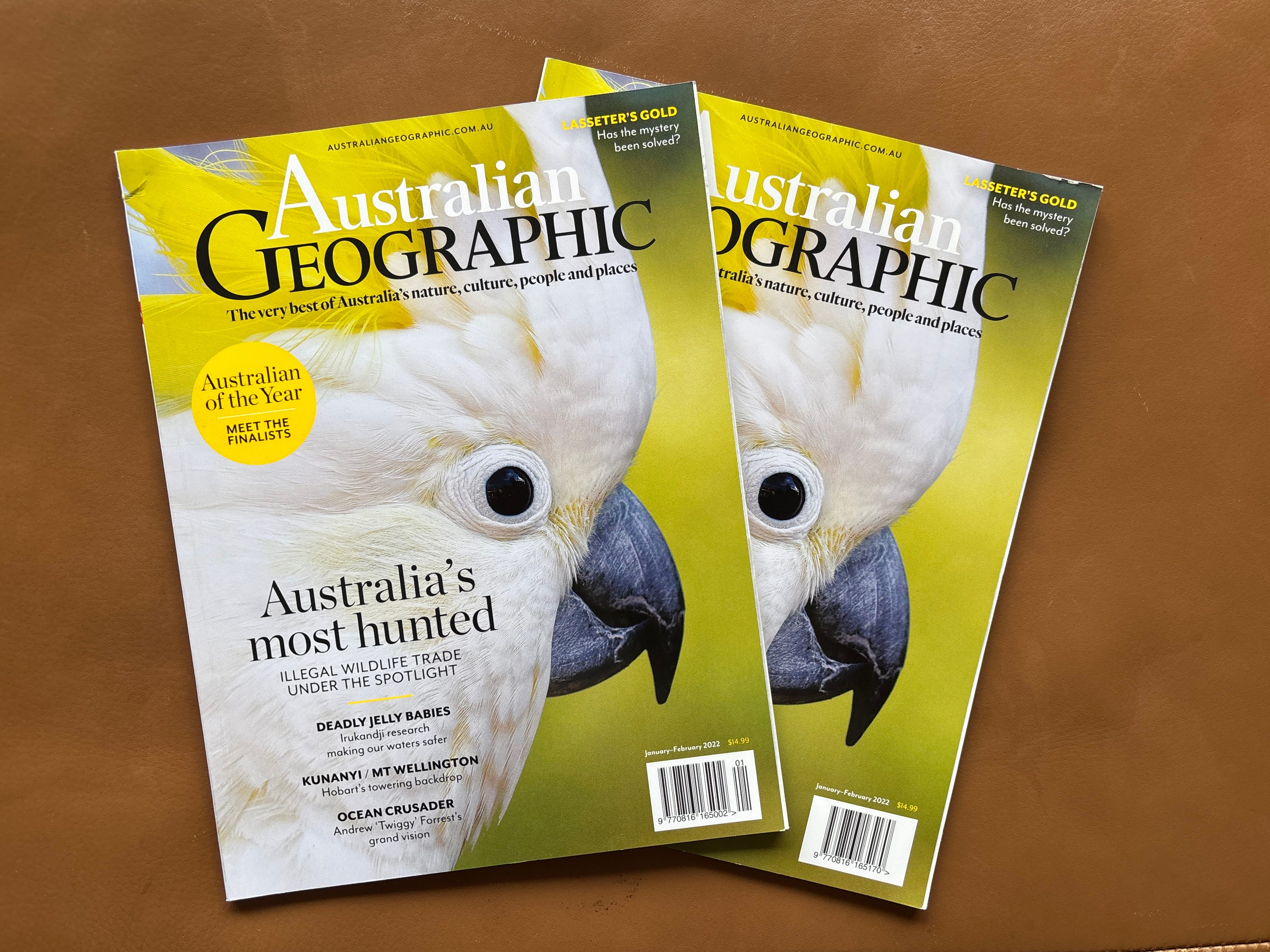
Next on my list was Australian Geographic, who I had also recently started writing for. My editor at AusGeo wrote back within 24 hours saying they wanted the feature. Literally one hour later, my editor at National Geographic replied accepting my pitch.
Eep.
(Aside: If you’re confused and think they are the same publication – and many people do! – let me clarify. NatGeo is the 137-year-old magazine with the yellow border, famous for its Afghan girl portrait and funding Jane Goodall’s primate research. AusGeo was founded in 1986 by Dick Smith, inspired by National Geographic but with a tighter focus on Australian culture, wildlife and people.)
Honesty is the best path
I didn’t want to disappoint my editors, and I didn’t want to burn the bridges I had worked so hard to build. I decided the best path for a freelance journalist was to be transparent and honest.
I replied to National Geographic first and explained the situation. As I had pitched them initially, I wanted to give them the first bite at the apple, but I also shared that, because I hadn’t heard from them, I had taken the story elsewhere. I wrote to Australian Geographic explaining the situation to them as well.
I negotiated a compromise.
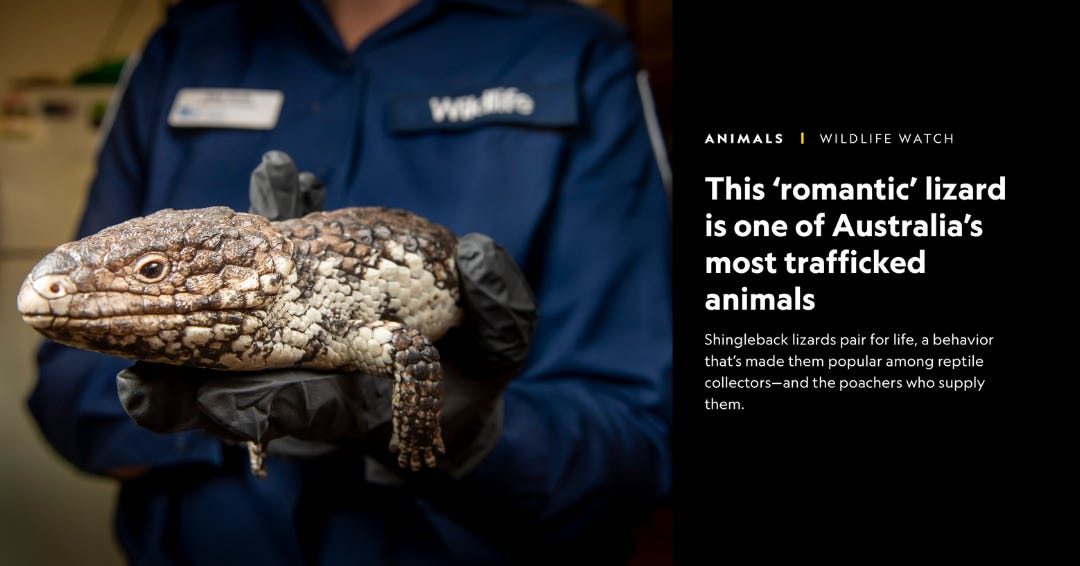
National Geographic would get a more detailed, close-up story focused on the shingleback lizard as a case study of the Australian wildlife trafficking trade. NatGeo would publish the story first. Meanwhile, Australian Geographic would get an expanded, macro-level feature on the Australian reptile trafficking trade as a whole, and would publish the story second.
Both editors were happy to go with that approach.
This was not only a massive win because I made both editors happy, but it also meant I’d get paid twice for the same amount of legwork. All the interviews, research and photography for one story could be used as background for the other.
As it happens, Australian Geographic decided to make my feature the cover story of their issue!
The end result
I’m still so proud of the work I put into both of these stories, and navigating this tricky path with two publications I admire.
If you’re curious to see how the stories differed, I’ve dropped the links below:
National Geographic: This ‘romantic’ lizard is one of Australia’s most trafficked animals
What do you think? Have you encountered this dilemma before? How did you navigate it?
The Takeaway in 25 Words or Less
Editors don’t expect freelancers to be saints. An open, transparent approach is the best way to preserve the relationship and continue working together another day.

We’ve reached 100 subscribers!
Last week I clocked my 100th subscriber – but a big thanks to all of you who have subscribed so far this year (or earlier). Some of you have reached out with your feedback and to say how much you’re gettinf out of this newsletter, which makes me so happy!
Next time: My tips for preparing for the biggest networking event of the year
IMM Sydney is just around the corner – which means lots of networking and tote bag collecting. It’s a huge day that can take you out if you’re not prepared.
Next time, I’ll share what I do to get one step ahead on game day.
Bits and bobs
Podcast: The Hidden Third – I have a very professional crush on journalist Mariana Van Zeller, who has done an amazing job unearthing different parts of the world’s different illegal trades. This new podcast tells some fascinating stories, including an interview with a former ICE agent about what is happening in the US.
Gone but not forgotten: In case you missed it, T Australia closed up shop last week. Despite launching strongly and finding new audiences, its parent company has gone into liquidation.
How to make friends as an adult: Lonely Planet editor (and friend), Jessica Lockhart, has launched a new Substack documenting her New Year’s resolution to make two friends in 2026.
Share with a friend
Know someone who might be interested in this newsletter? Forward this to your friends so they can get more great stories and insights delivered straight to their inbox.
Safe travels, JM
I’ve had it happen once too. I wrote very different angles on the same topic. One was a personal essay exploring the issue on a personal level while the other looked at workplace policy and case studies. A topic shouldn’t have to die after you write about it once.
This is also such a great lesson in how stacking works. (Thanks for the shout-out, as well!)