

Hello everyone!
It’s been a little while since my last dispatch, which I fired off just before IMM in Sydney. I rolled straight from that conference into a hosted media famil in Tasmania and then a period of intense deadlines, so apologies for the radio silence.
Since February, the world has been rocked by the emerging energy crisis caused by the US and Israel attacking Iran, which is what I’ll also be talking about in this newsletter. But before I get into that, let’s take a trip down memory lane.

When a global crisis presents an opportunity
In March 2020, after days of keeping up with closing borders and operational delays caused by the COVID-19 pandemic, my job at Intrepid Travel was made redundant. I was one of about 90% of the company laid off because international consumer travel was, effectively, dead on arrival.
At the same time, travel publications were going into survival mode. Some closed forever, and most drastically cut back the number of pages as advertisers closed their purse strings. Australian editors could only run domestic travel stories and there was an oversupply of desperately poor Australian writers pitching them. It was a terrible time to enter the travel writing industry.
But adversity births creativity.
Despite distance and cost, Australia is a dream destination for overseas visitors. Eager to satisfy bored and daydreaming readers, overseas editors wanted travel stories set in Australia but couldn’t send their regular contributors because of border closures. Likewise, Australian tourism boards couldn’t fly in overseas freelancers and content producers.
Seeing the opportunity, I stepped in and starting pitching editors in Europe and North America. That laid the foundations for ongoing relationships that have held me in good stead today.
The current crisis presents a real opportunity for writers. With petrol and oil costs rocketing skywards like Artemis II, it’ll become more expensive for tourism boards, operators and airlines to justify the cost of hosted media trips from Europe or North America to Australia. They’ll either cutback or look to work with local writers to save on costs.
If you can get in front of the right editors now, you could set yourself up for success in the long term.
What do you think? Have you tried pitching to overseas outlets recently?
Safe travels, JM
The Takeaway in 25 Words or Less
If there’s too many fish in the pond, try moving to a bigger pond. Ideally one with bigger audiences and budgets.
Reader letter: Overcoming the Polar Bear Effect
Hi Justin
I have been pondering on a NZ-themed pitch which I think would fit perfectly within Nat Geo’s culture and/or travel section and I wondered if you had any tips or advice on pitching their team as a Nat Geo contributor yourself?
- Sam
Hi Sam!
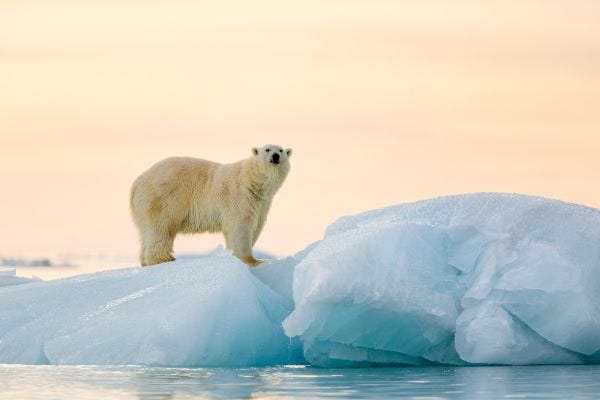
Most people tend to pitch stories in far-flung places because they feel it is what National Geographic wants, but editors are wary. I call this the Polar Bear Effect. Everyone associates National Geographic with amazing wildlife photography of, say, polar bears, and they aspire to write about these charismatic animals. This then leads to hundreds of writers pitching stories about polar bears, often without any substantial connection the animals.
Instead, the better approach is to start hyper-local. What are the trends in your city’s neighbourhoods that you could delve into? Are there any new openings or attractions that might fly under the radar?
Editors generally prefer to work with a local expert rather than parachute someone into a foreign location. If everyone is pitching polar bears, try to pitch a kangaroo instead.
Have a question? Send me an email and I’ll answer it in my next newsletter.
Share with a friend
Know someone who might be interested in this newsletter? Forward this to your friends so they can get more great stories and insights delivered straight to their inbox.